Winter Pet Care Tips for Cold New Jersey Months
Winter Pet Care Tips for Cold New Jersey Months
As temperatures drop in Readington and the surrounding New Jersey communities, pet owners begin to worry about how best to protect their furry family members from winter’s chill. While snow-covered yards and frosty evenings can be beautiful, they also bring a unique set of challenges for dogs and cats. At Readington Animal Hospital, located at 137 Readington Rd, Readington Township, NJ 08870, our veterinary team understands how important it is to keep pets healthy, comfortable, and active during the coldest months of the year. This blog will guide you through key winter pet care tips, including how to recognize signs of cold-weather distress, what seasonal risks to watch for, management strategies, and when to seek professional veterinary care. Whether you’re taking your dog for a snowy walk or keeping your indoor cat entertained, our veterinarians are here to help you navigate winter safely. If you have concerns about your pet’s well-being this season, we’re always available to schedule an appointment and discuss your pet’s unique needs.
Recognizing Winter Health Risks in Your Pet
New Jersey winters can be unpredictable, with freezing temperatures, icy sidewalks, and harsh winds. Both dogs and cats are susceptible to cold-weather hazards, even those with thick coats. Signs that your pet might be struggling in winter include shivering, reluctance to go outside, limping after walks, or licking at their paws. Additional warning signs are dry or cracked paw pads, lethargy, and changes in appetite or behavior. If your pet’s nose or ears appear pale or bluish, this may indicate the early stages of frostbite. It’s also important to pay attention to coughing, sneezing, or nasal discharge, as these symptoms can signal respiratory issues that are more common in colder months. Pets with chronic conditions, such as arthritis, may also show increased stiffness or discomfort after spending time in the cold.
Why Winter is Challenging for Pets
The challenges of winter stem from a combination of environmental factors and changes to daily routines. Cold temperatures can lower your pet’s body temperature, especially during long walks or outdoor play. Ice and snow can hide sharp objects or salt chemicals that irritate sensitive paws, while frozen ground is tough on pets with joint issues. Shorter days and inclement weather often mean less outdoor activity, which can lead to boredom, weight gain, or behavioral issues. Additionally, indoor heating can cause dry skin, and sudden temperature shifts when moving from warm houses to the cold outdoors can be stressful for pets.
Many pet owners are unaware that common de-icing products and antifreeze are toxic to dogs and cats. Even a small amount of antifreeze, for example, can be deadly if ingested. Similarly, some pets are exposed to seasonal plants or foods during the holidays that may be harmful. Understanding how these winter factors affect your pet helps you take steps to reduce risks and keep your companion healthy.
How Our Veterinary Team Helps: Winter Health Management and Preventive Care
At Readington Animal Hospital, our comprehensive veterinary care is designed to address the unique challenges pets face during the winter. When you schedule a wellness examination, our veterinarians perform a nose-to-tail assessment, checking for signs of frostbite, skin irritation, or underlying health issues that could worsen in cold weather. We may recommend diagnostic tests if your pet is showing symptoms of illness, or discuss seasonal vaccination updates to protect against respiratory infections that circulate more in colder months. For dogs and cats with arthritis or mobility concerns, our veterinary professionals can suggest integrative therapies or medications that help manage discomfort during winter. If your pet seems anxious or develops new behaviors due to changes in routine, our behavior counseling services can provide guidance and support tailored to your household.
Our team also educates pet owners about safe grooming practices in winter, such as trimming long hair around the paws to prevent ice buildup and using veterinarian-approved moisturizers for cracked pads. If your pet has a history of ingesting non-food items outside, we can advise on preventive strategies to avoid salt and antifreeze exposure. For those considering holistic approaches to winter wellness, our integrative veterinary services include therapies like acupuncture and lifestyle recommendations that complement traditional care.
Keeping Your Pet Safe and Comfortable at Home
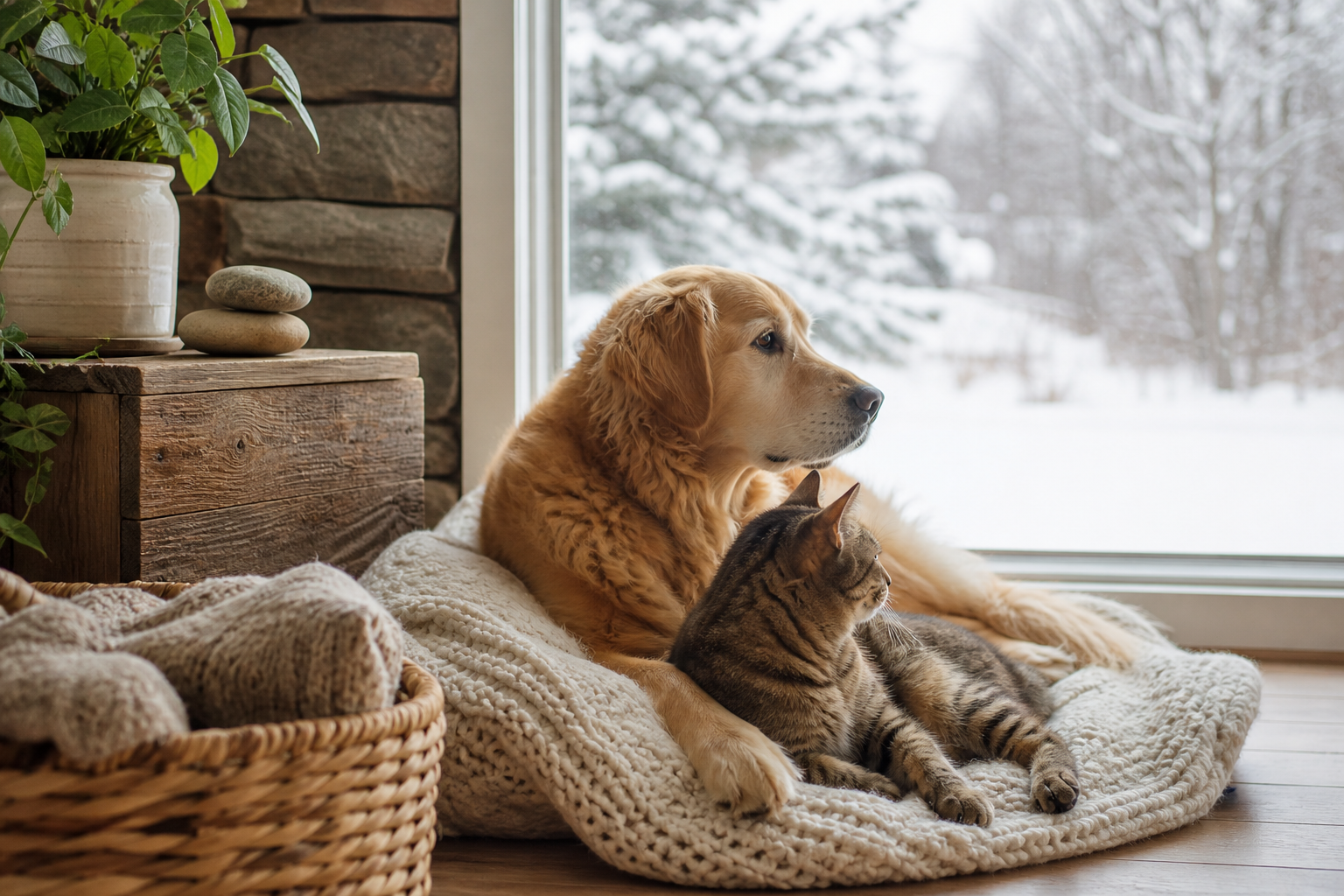
There are many practical steps you can take at home to help your pet thrive during the cold months. When temperatures dip, limit outdoor time to brief walks or supervised play, and always dry your pet thoroughly upon returning inside. To protect delicate paw pads, consider using pet-safe booties or wiping paws with a damp cloth to remove salt or chemicals after each walk. Many owners find that applying a pet-friendly balm before outings can prevent cracking and irritation. Make sure your pet has a warm, draft-free spot to rest indoors, away from direct heat sources or cold floors. For cats and small dogs, cozy bedding in a quiet room can make a big difference in comfort.
Maintaining an active lifestyle is just as important in winter as it is during warmer months. Engage your pet with indoor games, puzzle toys, or short training sessions to keep their mind and body stimulated. Monitor your pet’s weight and adjust their diet if activity levels drop; our veterinary team can help you determine the appropriate amount of food for the season. For pets with long coats, regular grooming prevents mats and helps maintain insulation, while short-haired breeds may benefit from a well-fitted sweater during walks.
When decorating for the holidays, be mindful of seasonal plants such as poinsettias and holly, which are toxic if chewed. Store antifreeze and ice-melting products out of reach, and use only pet-safe options on your driveway and walkways. Always provide fresh water, as heated indoor air can lead to dehydration, and check water bowls outdoors to ensure they haven’t frozen.
When to Schedule a Winter Veterinary Visit
Some winter symptoms require prompt attention from a veterinarian. If you notice persistent shivering, difficulty breathing, pale or bluish gums, or signs of frostbite such as hard, cold skin on the ears or tail, call for a veterinary appointment immediately. Pets who refuse to eat or drink, seem lethargic, or show sudden changes in behavior may be experiencing a serious health issue that needs professional evaluation. Older pets and those with preexisting conditions should have more frequent checkups, as winter can exacerbate chronic illnesses. Our veterinarians at Readington Animal Hospital are always ready to provide advice and care, whether you’re concerned about a specific symptom or simply want to ensure your pet’s winter wellness plan is on track.
If you observe increased anxiety, destructive behaviors, or changes in how your pet interacts with family members due to altered routines, our behavior counseling services are specifically designed to help pets and owners adjust to seasonal stressors. Scheduling a comprehensive physical exam before winter sets in is a proactive way to catch underlying issues early and discuss individualized strategies for cold-weather care.
Conclusion: Supporting Your Pet Through New Jersey’s Winter
Winter in Readington and nearby communities brings both beauty and challenges for pet families. By watching for early warning signs, understanding how cold weather affects your pet, and following expert care tips, you can help your dog or cat stay healthy, happy, and safe all season long. Our veterinary team is committed to supporting you with thorough preventive care, tailored advice, and compassionate service. If you’re searching for a “vet near me” to guide your pet through winter’s challenges, Readington Animal Hospital is here for you. Schedule an appointment today by calling (908) 534-4058, and let our veterinarians provide the care and reassurance your pet deserves. Whether your companion needs a seasonal checkup, advice on winter wellness, or help managing chronic conditions, our team is ready to help you both enjoy a warm and worry-free winter.
For additional information on comprehensive physical exams or to discuss your pet’s specific needs, feel free to reach out to us or visit our hospital at 137 Readington Rd, Readington Township, NJ 08870. Your pet’s health and happiness are always our top priority, no matter how cold it gets outside.