Signs Your Pet Needs a Dental Check This February

Signs Your Pet Needs a Dental Check This February
As winter settles in across Readington Township and the surrounding communities, it is natural for pet owners to focus on keeping their dogs and cats warm and comfortable. Yet, February is also National Pet Dental Health Month, which makes it the perfect time to pay close attention to your pet’s oral health. Many dental issues in pets start subtly, making them easy to overlook until they cause discomfort or even serious health complications. At Readington Animal Hospital, located at 137 Readington Rd, Readington Township, NJ 08870, our veterinary team is dedicated to helping you spot the early signs that your pet may need a dental check. In this blog, we will guide you through the subtle symptoms of dental disease, explore what causes these problems, and explain how professional care can restore your pet’s comfort and health. We will also share practical steps for prevention and let you know exactly when it is time to schedule an appointment with your veterinarian.
If you are concerned about your pet’s breath, notice any changes in eating habits, or simply want to ensure their mouth stays healthy, read on to learn how Readington Animal Hospital can help keep your furry friend’s smile bright all year long.
Recognizing the Signs of Dental Trouble in Pets
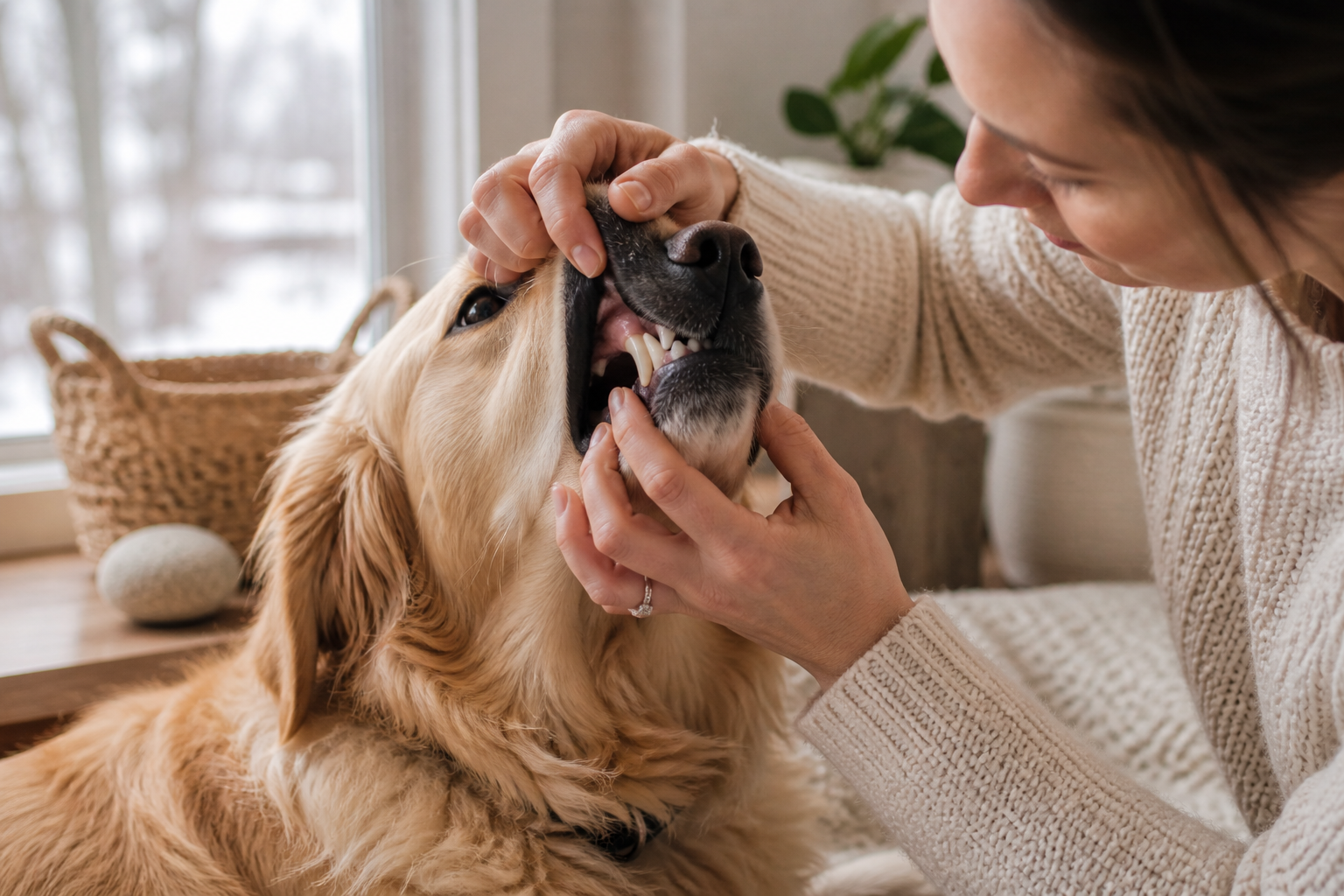
Dental issues in pets often develop quietly, with early signs easy to miss during the bustle of daily life. Many dogs and cats naturally hide discomfort, so by the time you notice a problem, it may have been brewing for some time. Key symptoms that suggest your pet may need a dental check include persistent bad breath, which often smells distinctly foul rather than just “doggy” or “fishy.” Additionally, visible tartar buildup along the gumline, gums that appear red, swollen, or bleed easily, and any reluctance to let you touch their mouth are warning signals.
Changes in eating behavior are another clue. If your dog or cat suddenly drops kibble, chews on one side, or seems picky about hard food, dental pain could be the cause. Other signs to watch for are pawing at the mouth, excessive drooling, and a sudden preference for soft foods. In severe cases, you might notice loose or missing teeth, facial swelling, or even discharge from the nose or mouth.
It is important to recognize that some pets show more subtle changes, such as becoming less playful or withdrawing from family activities. These behavioral shifts can be a response to chronic oral discomfort. While it can be tempting to attribute these changes to aging or winter sluggishness, they may be directly related to dental disease. If you notice any of these signs, it is time to consider a professional dental evaluation for your pet.
Why Dental Disease Develops in Dogs and Cats
Understanding the causes behind dental disease can help pet owners take proactive steps in prevention. Most dental problems in pets begin with the accumulation of plaque, a sticky film of bacteria that forms on the teeth after eating. If not removed, plaque hardens into tartar, which irritates the gums and creates pockets where more bacteria can thrive. This ongoing process leads to gingivitis, the earliest stage of gum disease, and can progress to periodontitis, a more severe infection that damages the tissues and bones supporting the teeth.
Several factors can increase your pet’s risk for dental disease. Smaller breeds and certain cats are more prone to tartar buildup due to mouth structure, while pets with crowded or crooked teeth may have areas that are difficult to keep clean. Diet also plays a role; pets who eat mainly soft food may develop dental issues faster than those who chew on dry kibble or dental treats. Age is another factor, as older pets commonly experience more dental problems.
Seasonal changes, such as the colder temperatures in February, can sometimes mask symptoms because pets may naturally eat less or seem less active. This makes it even more important to pay attention to subtle shifts in their routine or behavior. Regular home care and annual veterinary dental checks are the best ways to catch problems early, before they affect your pet’s comfort and overall health.
How Professional Dental Care at Readington Animal Hospital Can Help
When you schedule a dental check at Readington Animal Hospital, our veterinarians begin with a thorough oral exam to assess your pet’s teeth, gums, and overall mouth health. This may include dental radiography, which allows us to see below the gumline and identify issues that are not visible to the naked eye, such as tooth root abscesses or bone loss. You can learn more about how dental radiography for pets supports a complete diagnosis on our website.
If our veterinary team identifies dental disease, we will recommend a customized treatment plan based on your pet’s needs. Many pets benefit from professional dental cleanings under anesthesia, which allow us to remove plaque and tartar both above and below the gumline, polish the teeth, and thoroughly examine each tooth for stability. Sometimes, advanced dental disease requires additional procedures such as pet tooth extractions or oral surgery to address painful or infected teeth and restore comfort.
We know that anesthesia can be a concern for pet owners, especially for older pets or those with medical conditions. Our veterinarians use modern monitoring technology and tailor anesthesia protocols to each pet’s health status, ensuring the safest possible experience. Throughout every step, we focus on providing compassionate, gentle care that minimizes stress for your pet.
After the procedure, we will discuss ongoing home care and recommend a follow-up schedule to keep your pet’s mouth healthy. Our goal is to not only treat existing problems but to help you maintain your pet’s dental wellness for years to come.
Home Care and Prevention: Keeping Your Pet’s Smile Healthy
Preventing dental disease in pets is a partnership between you and your veterinarian. Regular professional cleanings are essential, but what you do at home makes a big difference in your pet’s long-term oral health. Steps you can take include brushing your pet’s teeth with a pet-safe toothpaste, which helps remove plaque before it hardens into tartar. If daily brushing is not possible, even two or three times a week can make a noticeable impact.
Providing dental chews or toys that promote chewing can help mechanically clean teeth, especially for dogs who enjoy gnawing. Your veterinarian may also suggest dental diets or treats formulated to reduce tartar buildup. For cats, offering dry kibble or toys designed for chewing can support oral health, although not all cats are equally enthusiastic about these options.
It is important to schedule annual wellness exams for your pet, which include an oral health assessment. During these visits, our veterinary team will check for early signs of dental disease and advise you on the best preventive strategies for your individual pet. Consistent care at home, combined with professional attention, is the most effective way to avoid dental pain and preserve your pet’s quality of life.
When to Schedule a Veterinary Dental Check
Knowing when to seek professional dental care can be the key to preventing more serious health problems for your pet. If you notice persistent bad breath, visible tartar, red or swollen gums, changes in eating habits, or any discomfort around the mouth, it is time to schedule an appointment. Other situations that warrant prompt attention include loose or missing teeth, bleeding from the mouth, or signs of pain such as pawing at the face or sudden withdrawal from favorite activities.
Sometimes, dental disease can have effects beyond the mouth. Chronic oral infections can contribute to heart, liver, or kidney issues in pets, making timely veterinary care even more important. If you are ever unsure whether your pet’s symptoms are related to dental disease, our veterinarians are here to help. We encourage you to reach out with questions or concerns; early intervention is always better than waiting for symptoms to worsen.
For more information about our professional dental cleaning services for pets or to discuss your pet’s specific needs, our veterinary professionals are always ready to assist.
Keeping Your Pet’s Mouth Healthy All Year Long
Dental health is a vital part of your pet’s overall wellbeing, and February is the perfect time to give it the attention it deserves. By staying alert to the signs of dental disease, understanding what causes these issues, and knowing when to seek veterinary care, you can help your dog or cat enjoy a pain-free, happy life. The veterinarians at Readington Animal Hospital are committed to supporting you with advanced diagnostics, gentle treatment options, and personalized preventive care.
If you are searching for a "vet near me" to help with your pet’s dental health, we invite you to schedule an appointment with our compassionate veterinary team at 137 Readington Rd, Readington Township, NJ 08870. Call us at (908) 534-4058 to book your pet’s dental check or to ask questions about our dental services. We proudly serve Readington Township and surrounding communities, and we are here to help your pet smile with confidence in every season.
For more details about our complete range of dental care, including dental radiography for pets and pet tooth extractions, please visit our website or contact us directly. Your pet’s health, comfort, and happiness are always our top priorities.
The information in this blog is intended for educational purposes only and does not replace professional veterinary advice. If you have concerns about your pet’s health, always consult your veterinarian.