Identifying Common Winter Illnesses in Dogs and Cats
Identifying Common Winter Illnesses in Dogs and Cats
As the winter months settle into Readington Township and the surrounding communities, it’s not just people who feel the chill—our pets are also at greater risk of developing seasonal health concerns. At Readington Animal Hospital, we know how much you value the comfort and wellbeing of your dogs and cats, especially when the weather turns frosty. Many pet owners wonder how to recognize the signs of winter pet illnesses and when to seek veterinary advice. In this blog, we’ll guide you through the most common winter illnesses in dogs and cats, explain what symptoms to watch for, and help you determine when it’s time to schedule a visit at our Readington, NJ location. You’ll learn about respiratory infections, skin problems, and other cold-weather risks, as well as practical steps for prevention and care. Our commitment to comprehensive pet care means we’re here to support your pet’s health throughout the year, so you can enjoy peace of mind even on the coldest days. If you’re searching for a “quality vet near me” who understands the unique needs of pets in Readington during the winter, you’re in the right place. To help keep your pet healthy this season, we’ll also highlight when to consider a wellness examination or diagnostic testing at Readington Animal Hospital.
Recognizing the Signs of Winter Pet Illnesses
Winter pet illnesses can be challenging to identify, especially when symptoms overlap with those of other conditions or seem mild at first. However, early detection is crucial for a swift recovery. Some of the most common signs of sick pet during winter include persistent coughing, sneezing, nasal discharge, lethargy, and loss of appetite. For dogs and cats, respiratory infections often reveal themselves through symptoms such as watery eyes, a runny nose, or noisy breathing. If your pet seems to be sleeping more than usual, is reluctant to go outside, or shivers even when indoors, these may also be warning signs.
In addition to respiratory symptoms, winter can bring about skin concerns. Dry, flaky skin, excessive scratching, or the appearance of red, irritated patches are all indicators that your pet might be struggling with the drier air and cold temperatures. Chapped paws or limping after walks might point to de-icing chemicals or ice buildup between the toes. Gastrointestinal upset, such as vomiting or diarrhea, can also occur if your pet ingests toxic substances like antifreeze or salt used for melting ice.
It’s important to note that senior pets, puppies, kittens, and animals with chronic health conditions are often more susceptible to winter pet illnesses. If your pet falls into any of these categories, be extra vigilant for any changes in behavior, appetite, or energy. For those in need of a “veterinary services near me” that prioritize early detection, our team of veterinarians is here to help with thorough examinations and attentive care.
Why Do Winter Pet Illnesses Occur? Understanding the Causes
Cold weather brings about a range of environmental changes that challenge your pet’s immune system and overall health. One primary reason winter pet illnesses are more prevalent during the colder months is that pets, like people, are often indoors more frequently, increasing the likelihood of exposure to contagious respiratory diseases. Viruses such as canine influenza and feline upper respiratory infections thrive in close quarters, making kennels, grooming salons, and even holiday gatherings common places for illness to spread.
The cold, dry air typical of winter in Readington Township and surrounding communities can also dry out your pet’s skin and respiratory tract, leaving them more vulnerable to irritation and infection. Additionally, exposure to snow, ice, and chemical de-icers can irritate sensitive paws, leading to cracked skin, infection, or allergic reactions. Pets with underlying health issues such as asthma, allergies, or immune suppression may find their symptoms worsening during the winter months.
For those who walk their dogs near salted sidewalks or let their cats explore garages and driveways, the risk of accidental ingestion of toxic substances increases. Antifreeze, in particular, is highly dangerous even in small amounts and can cause rapid, life-threatening illness. Recognizing the multifactorial causes behind winter pet illnesses helps you take targeted steps to protect your furry family members.
How Our Veterinary Team Treats and Manages Winter Illnesses
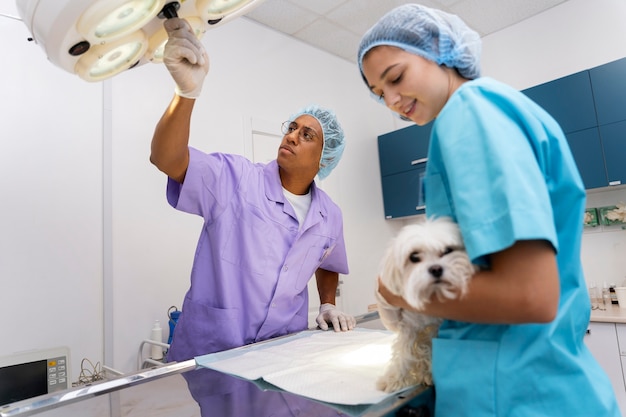
When you bring your pet to Readington Animal Hospital for winter health concerns, our approach begins with a thorough physical examination and, when indicated, advanced diagnostic testing. Our state-of-the-art pet diagnostic laboratory services in Readington allow us to quickly assess your pet’s condition, whether that involves bloodwork, X-rays, or other laboratory tests. For respiratory infections, our veterinarians may recommend supportive care such as fluids, rest, and, when necessary, medications to control infection and reduce symptoms.
Skin conditions brought on by winter weather are managed with moisturizing treatments, medicated shampoos, and guidance on protecting sensitive paws. If allergies are suspected, our team can suggest allergy testing or refer to our dermatology services for a more in-depth evaluation. For gastrointestinal concerns or suspected toxic exposures, prompt intervention is critical; this may involve decontamination, intravenous fluids, and specific antidotes when available.
Throughout every step, our veterinary professionals will tailor treatment plans to your pet’s age, breed, medical history, and lifestyle. We believe in working closely with you to ensure your pet receives the highest standard of care available. If you’re searching for “pet diagnostics near me” or a “best veterinarian near me” who can address complex seasonal health issues, our experienced team is ready to help.
Preventing Winter Pet Illnesses at Home
Prevention is always preferable to treatment, and there are many practical steps you can take to protect your pet during the colder months. Keeping your pet indoors during extreme cold, providing plenty of fresh water, and using pet-safe de-icing products on driveways and walkways are some of the most effective strategies. Additionally, regular grooming helps prevent matting and allows you to spot skin problems early; consider using a humidifier indoors to alleviate dryness for pets with sensitive skin.
Nutrition also plays a key role in maintaining your pet’s immune health during winter. Ensure your dog or cat is eating a balanced, veterinarian-recommended diet, and avoid sudden changes in food that could upset their stomach. For pets who love outdoor adventures, inspect their paws for cracks or debris after each walk, and wipe off any residual salt or chemicals.
Routine wellness visits are especially important as they allow for early detection of health issues and timely intervention. Scheduling a comprehensive pet exam at Readington Animal Hospital ensures your pet’s vaccinations are up to date and that any subtle signs of illness are addressed before they become serious. These exams are essential for anyone seeking “pet wellness exams in Readington” and offer peace of mind throughout the winter.
When to Schedule a Veterinary Visit: Knowing the Right Time
As a caring pet owner, it’s sometimes difficult to know exactly when your pet’s symptoms warrant a visit to the veterinarian. In general, any persistent coughing, sneezing, nasal discharge, or labored breathing should prompt an evaluation, especially if your pet is acting lethargic or refusing to eat. Severe vomiting or diarrhea, signs of pain such as whining or limping, or sudden behavioral changes also indicate a need for timely professional care.
For skin issues, if you notice sores that don’t heal, excessive scratching, or signs of infection like redness and swelling, contact our veterinary team promptly. In cases of suspected toxic exposure, such as antifreeze ingestion, do not wait—immediate veterinary attention is crucial.
It’s always safer to err on the side of caution and schedule an appointment when you notice the signs of a sick pet. Our veterinary professionals are here to provide expert guidance and reassurance, whether you need advice for mild symptoms or urgent intervention for more serious winter pet illnesses. For those searching for “veterinary diagnostics in Readington” or a “vet near me” who can deliver timely and compassionate care, our clinic is equipped to help.
Keeping Your Pets Healthy This Winter: Next Steps and Support
Winter in Readington brings unique challenges for pet owners, but with vigilance and the right support, your dogs and cats can thrive throughout the season. By watching closely for the signs of sick pet, maintaining regular wellness appointments, and taking preventive steps at home, you can reduce your pet’s risk of common winter illnesses. Our dedicated team of veterinarians at Readington Animal Hospital is always here to answer your questions, perform thorough evaluations, and provide the highest quality care whenever you need it.
If you’re concerned about your pet’s health or would like to schedule a wellness examination or diagnostic testing, we encourage you to reach out today. You can call (908) 534-4058 to schedule an appointment at our conveniently located Readington, NJ hospital. Our veterinary team is proud to serve Readington Township and the surrounding communities, offering comprehensive “vet near me” solutions and personalized care plans for every pet. To learn more about our available services, including wellness examinations and pet diagnostic laboratory services near me, visit our website or give us a call. Together, we can ensure your beloved companion enjoys a safe, healthy, and happy winter season.
This blog is intended for informational purposes only and should not replace professional veterinary advice. If you have concerns about your pet’s health, please contact your veterinarian for specific recommendations and care.