Cold Weather Pet Safety: Keeping Pets Healthy This Fall
Cold Weather Pet Safety: Keeping Pets Healthy This Fall
As crisp autumn air settles in and temperatures in Readington, NJ begin to dip, pet owners find themselves facing a new set of challenges to keep their furry companions healthy and comfortable. Cold weather pet safety becomes a top priority each fall, especially for those living in Readington and surrounding communities where sudden weather shifts can catch even the most prepared pet parents off guard. At Readington Animal Hospital, our team of veterinarians understands just how important it is to protect your pets from seasonal hazards, ranging from chilly winds and damp conditions to hidden toxins and grooming concerns. This comprehensive guide will walk you through essential fall pet care tips, including how to identify early signs of cold-related stress, the reasons pets are more vulnerable as temperatures fall, effective prevention strategies, and when to schedule a visit for professional veterinary care. Our goal is to help you make the most of the season while ensuring your pet stays happy, healthy, and safe with quality veterinary services in Readington.
Recognizing Cold Weather Risks: Signs Your Pet May Be Struggling
As the days get shorter and colder, many pets experience changes in their behavior and physical condition. Recognizing these early signs is an essential step in cold weather pet safety. Symptoms that your pet might be struggling with the transition into colder months include shivering, reluctance to go outside, seeking warm places indoors, and a general decrease in energy. You may also notice dry, flaky skin, a dull coat, or cracked paw pads, which can all be indicators that the chilly air is affecting your pet’s comfort. In some cases, pets may develop a cough, exhibit stiffness when moving, or show signs of joint discomfort, particularly if they are older or have underlying health conditions.
Other signs to watch for are decreased appetite, changes in bathroom habits, or excessive licking of paws after outdoor walks, which could point to irritation from ice-melting chemicals or frost. If your pet is vocalizing more, seems anxious when left alone, or tries to hide under blankets, these behaviors may also be linked to discomfort from colder weather. Each pet is unique, so being attentive to any sudden changes in behavior or physical condition is vital for their well-being as fall progresses.
Why Colder Weather Affects Pets in Readington
Understanding why pets are more susceptible to cold weather is key to implementing effective fall pet care tips. Just like humans, animals can lose body heat quickly, especially if they are small, have short coats, or spend extended periods outside. The Readington area often experiences rapid temperature fluctuations, humidity, and brisk winds during the fall, all of which can contribute to increased heat loss for pets. For breeds that are not adapted to colder climates, the risk is even higher.
Age and overall health also play significant roles. Senior pets, puppies, and those with chronic illnesses or thin body conditions may have a harder time regulating their body temperature. Arthritic pets are particularly vulnerable, as colder weather can exacerbate joint pain and stiffness, making it more difficult for them to move comfortably. Additionally, pets that have undergone recent grooming—especially those with a close shave—may lack the natural insulation their fur provides, leaving them exposed to the elements.
Outdoor hazards are another concern. As leaves fall and moisture lingers, wet and muddy conditions can increase the likelihood of skin infections, while ice and snow may lead to slips, falls, or exposure to toxic de-icing agents. The presence of antifreeze and other chemicals on driveways and roads introduces further risks, as ingestion can be extremely dangerous. When considering cold weather pet safety in Readington, it’s important to be mindful of all these seasonal changes and their impact on your pet’s health.
Professional Veterinary Care: How Readington Animal Hospital Supports Cold Weather Pet Safety
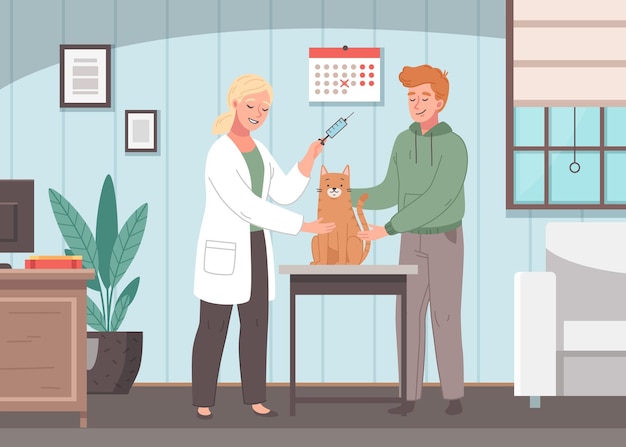
Fall is the perfect time to schedule a wellness check-up with your veterinarian, ensuring your pet is prepared for the colder months ahead. At Readington Animal Hospital, our veterinary team offers comprehensive preventive care tailored to each pet’s unique needs. During your visit, our veterinarians will assess your pet’s overall health, paying special attention to weight, skin and coat condition, joint function, and any signs of underlying illness that could be aggravated by cold weather.
Treatment options for pets experiencing cold-related issues involve recommendations for joint supplements, medicated shampoos for dry skin, or prescription diets that help maintain a healthy weight and robust immune system. Our team may also suggest vaccinations or booster shots, as certain infectious diseases can become more prevalent when pets spend more time indoors or in close quarters at boarding facilities.
For pets with chronic conditions, such as arthritis or respiratory issues, we work closely with you to adjust medications, provide pain management strategies, and recommend environmental modifications like orthopedic bedding or heated pads. Our state-of-the-art laboratory diagnostics and x-ray facilities in Readington allow us to quickly evaluate and monitor any health concerns that arise during the colder months.
If your pet’s grooming needs change with the season, our experienced groomers can advise on the best practices for maintaining a healthy coat without compromising insulation. We also offer microchip implanting to help keep your pet safe year-round, as fall can bring an increased risk of pets slipping out during outdoor adventures.
Prevention and Home Care: Practical Fall Pet Care Tips
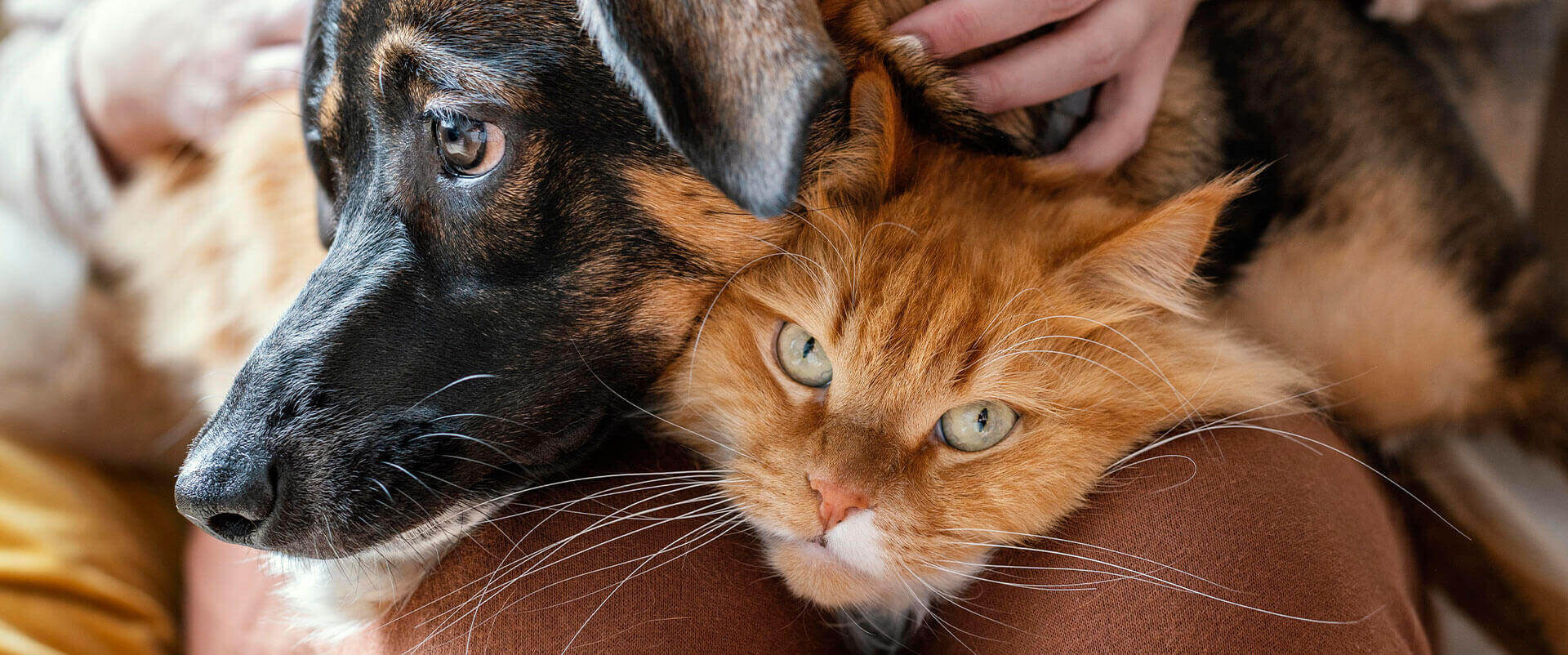
There are many steps you can take at home to support your pet’s comfort and health as temperatures drop. Providing a warm, draft-free sleeping area is one of the most effective ways to protect your pet from cold-related stress. Ensure your pet’s bed is positioned away from windows or doors where chilly air may seep in, and consider using extra blankets or heated mats for added warmth, especially for senior pets.
Grooming is another important aspect of cold weather pet safety. Regular brushing removes dead hair and stimulates natural oil production, which helps maintain a healthy skin barrier against dry, cold air. Avoid shaving your pet’s coat too short during fall and winter; a longer coat offers valuable protection. After outdoor walks, wipe your pet’s paws and belly to remove moisture, mud, and any traces of salt or de-icing chemicals. This simple practice prevents skin irritation and reduces the risk of your pet ingesting harmful substances during grooming.
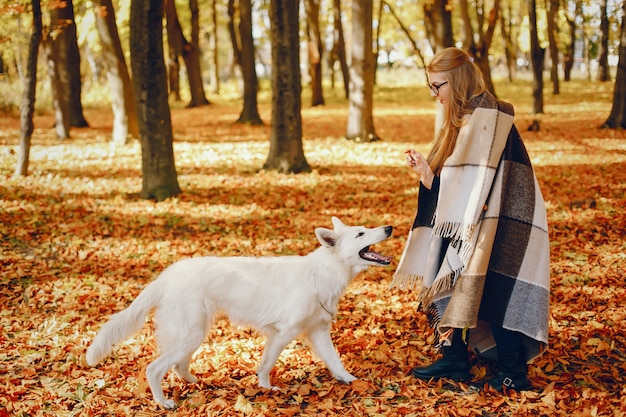
It’s also wise to adjust walking routines, opting for shorter but more frequent outings during particularly cold or damp days. Keeping your pet active indoors with toys, games, and gentle exercise helps maintain muscle tone and joint flexibility. Watch for signs of overexertion or reluctance to move, as these may signal discomfort or early arthritis.
Nutrition plays a key role in your pet’s ability to handle colder weather. Consult with your veterinarian about your pet’s caloric needs, as some animals may require slight adjustments to maintain a healthy body condition. Always ensure access to fresh, unfrozen water, and monitor your pet’s weight throughout the season.
Home safety is equally important. Store antifreeze and other chemicals securely, and check your property for hidden hazards such as mushrooms, acorns, or fallen tree branches that could pose a risk. If you use space heaters or fireplaces, supervise pets closely to prevent burns or accidental fires.
When to Seek Veterinary Care: Cold Weather Concerns That Require Professional Attention
While many aspects of cold weather pet safety can be managed at home, there are situations where prompt veterinary care is essential. If your pet displays persistent shivering, difficulty breathing, lethargy, or disorientation after exposure to cold, immediate attention is required. Other warning signs that warrant a visit to your veterinarian include limping, sudden swelling of the joints, open sores or bleeding from cracked paw pads, or a persistent cough that does not resolve.
Pets with pre-existing health conditions such as diabetes, heart disease, or kidney problems are at greater risk for complications during cold weather, so any changes in appetite, energy, or behavior should not be ignored. If you notice your pet has ingested antifreeze or other chemicals, seek veterinary care without delay, as these substances can be life-threatening even in small amounts.
Scheduling an appointment with Readington Animal Hospital at the first sign of trouble allows our veterinary professionals to diagnose and address potential issues before they become serious. Early intervention is the best way to ensure a quick recovery and prevent long-term complications.
Keeping Your Pet Safe and Comfortable All Season Long
As autumn unfolds in Readington, NJ and surrounding communities, staying proactive about cold weather pet safety is the best gift you can give your beloved companion. By recognizing early warning signs, understanding why pets are vulnerable during the fall, and taking preventive steps at home, you set the stage for a happy, healthy season. Remember, our veterinary team is always here to offer guidance and support—whether you need advice on fall pet care tips or a thorough health check-up.
If you have questions about keeping your pet safe this fall, or would like to schedule an appointment for comprehensive veterinary services in Readington, reach out to us today. Our compassionate team at Readington Animal Hospital is dedicated to providing your pet with the highest standard of care, every season of the year. For pet owners searching for a "vet near me" who can deliver expert, personalized service, we invite you to contact us at (908) 534-4058 or visit us at Readington, NJ. Let us help you make this fall a safe, enjoyable time for every member of your family—four-legged ones included.
For more information on seasonal pet safety, consult resources like the American Veterinary Medical Association or speak directly with our veterinary professionals for tailored recommendations.