
Spring Pet Health Checklist for Readington Township Pet Owners

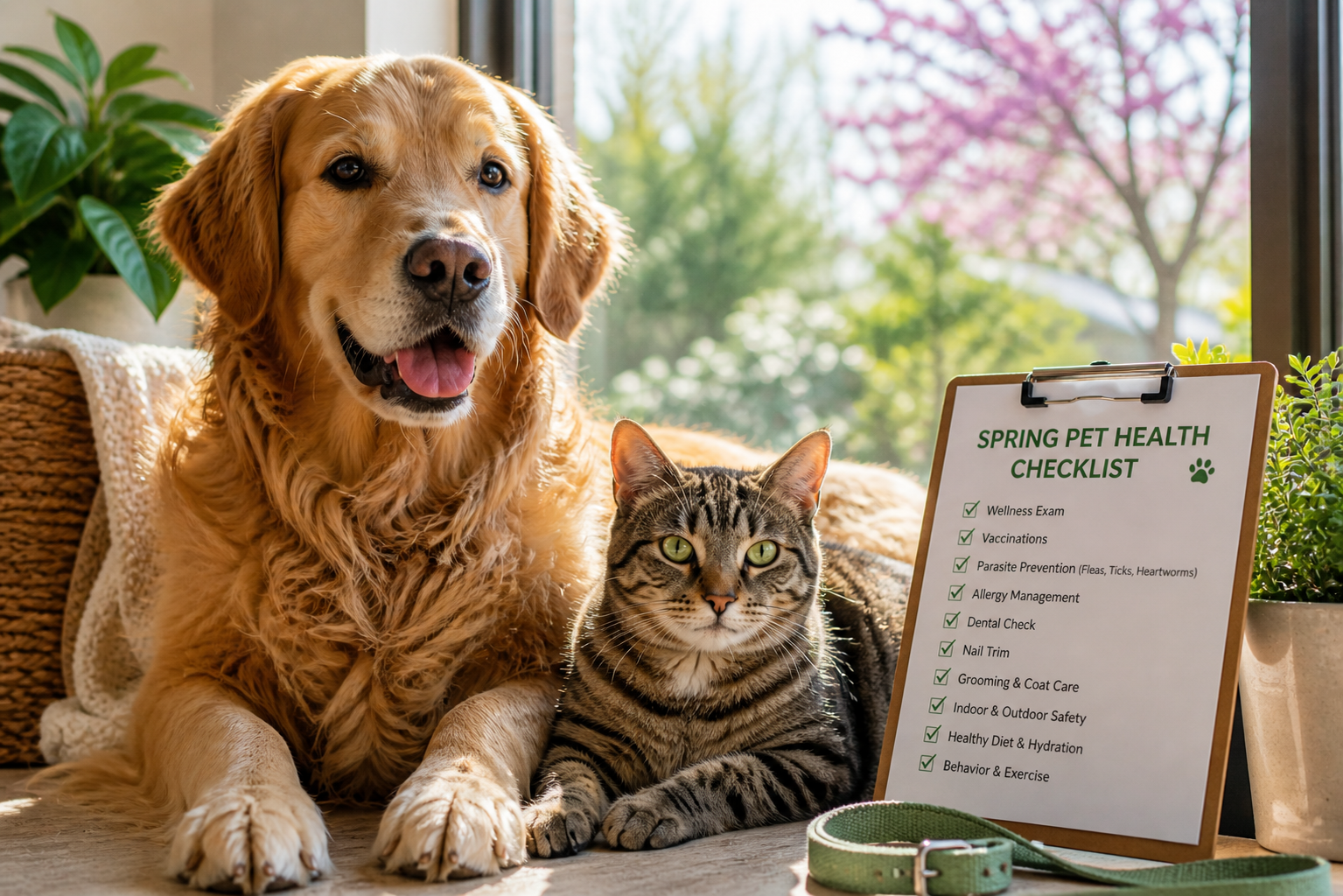
Spring Pet Health Checklist for Readington Township Pet Owners
As the trees begin to bud and the days grow warmer in Readington Township, NJ, many local pet owners look forward to spending more time outdoors with their dogs and cats. Spring is a season of renewal, but it also brings unique health challenges for our four-legged companions. From seasonal allergies to increased exposure to ticks, fleas, and other parasites, this time of year requires a proactive approach to keep your pet happy and healthy. At Readington Animal Hospital, we understand how important your pet is to your family, and our dedicated team of veterinarians is here to help you prepare for a safe and enjoyable spring. In this comprehensive spring pet health checklist, we will guide you through the key areas of concern for local pets, including allergy prevention, parasite control, grooming needs, and more. With over 37 years of experience providing veterinary care in Readington Township and surrounding communities, our animal hospital is committed to helping pet owners navigate every season with confidence. If you have questions about your pet's health this spring, our comprehensive physical exams are designed to address your concerns and set your pet up for a healthy year ahead.
Recognizing Springtime Health Concerns in Pets
Spring brings a host of changes to your pet's environment, and with those changes come specific health risks that can affect both dogs and cats. As a pet owner, it's important to recognize the signs that may suggest your companion is struggling with the seasonal shift. Typical symptoms to watch for in spring include increased scratching, licking, or biting at the skin, which can indicate allergies. Sneezing, watery eyes, and a runny nose are also common allergy symptoms in pets during this time of year.
Along with allergies, the return of warmer weather usually means a spike in flea, tick, and mosquito activity. If you notice your pet is scratching more than usual, developing red or irritated patches on the skin, or if you find small bumps or parasites on their coat, these may be signs of an unwanted pest. Additionally, outdoor adventures can leave pets vulnerable to injuries, such as cuts or scrapes, and exposure to environmental hazards like lawn chemicals or toxic plants. Dental issues are another concern, especially if your pet's breath is worsening or they appear uncomfortable while eating as the season changes.
Pets that spend more time outside may also be at increased risk for heartworm disease, which is transmitted by mosquitoes. If your pet develops a persistent cough, fatigue, or unexplained weight loss, these could be warning signs that require prompt attention. Behavioral changes, such as increased anxiety or restlessness, can also emerge as routines shift with the new season.
By staying alert to these signs and responding promptly, you can help ensure that spring is a time of health and happiness for your pet.
Understanding the Causes: Why Spring Brings Unique Pet Health Challenges
Several factors combine to create new health risks for pets as spring arrives in Readington Township. Pollen counts rise significantly this time of year, leading to a surge in environmental allergies for both people and animals. Grass, tree, and weed pollens can trigger itchy skin, red eyes, and respiratory symptoms in sensitive pets. In addition, mold spores thrive in the damp conditions that often follow spring rains.
The increase in outdoor activity means more opportunities for pets to encounter fleas and ticks, which are prevalent in wooded areas, tall grasses, and even suburban backyards. Ticks can transmit diseases such as Lyme disease and ehrlichiosis, while fleas cause intense itching and can lead to skin infections or even anemia in severe cases. Mosquitoes, which breed in standing water, pose the risk of heartworm transmission, a serious condition that can be life-threatening if left untreated.
With spring comes the use of fertilizers, pesticides, and other lawn care chemicals, which can be harmful or toxic if ingested or if they come into contact with your pet's skin. Curious pets may also be tempted by newly sprouting plants, some of which are toxic to dogs and cats.
Changes in temperature can also affect your pet's grooming needs, as many animals shed their winter coats in preparation for the warmer months. This shedding can lead to matting, skin irritation, and increased hairballs for cats.
By understanding these seasonal risks, you can take meaningful steps to protect your pet and minimize their exposure to springtime hazards.
Professional Care from Your Veterinarian: Keeping Your Pet Healthy This Spring
One of the best ways to safeguard your pet's health during spring is by scheduling a visit with your local veterinary team. At Readington Animal Hospital, our comprehensive veterinary services are designed to address the most common spring health concerns.
A spring comprehensive physical exam allows our veterinarians to evaluate your pet's overall health, check for signs of allergies, skin issues, or parasites, and discuss any recent changes in behavior or activity. During this visit, we can recommend tailored parasite prevention based on your pet's lifestyle and risk factors. Flea, tick, and heartworm preventives are available in various formulations, including oral chews, topical treatments, and collars; our veterinary professionals can help you choose the best option for your pet.
If your dog or cat is showing signs of seasonal allergies, we may recommend allergy testing to pinpoint specific triggers and develop a personalized management plan. For pets with skin or coat concerns, our dermatology services address everything from itching and hot spots to chronic dermatitis.
Spring is also an ideal time to review your pet's vaccination status. Our pet vaccinations help protect against contagious diseases, some of which are more prevalent during warm-weather months. If your furry friend is due for a dental cleaning or you have concerns about their oral health, our dental care services support healthy teeth and gums year-round.
Microchipping is another important consideration as outdoor adventures increase; a microchip dramatically improves the chances of being reunited with your pet if they become lost.
Our veterinary team will also discuss nutrition, weight management, and behavioral concerns that might arise as routines change in the spring. Whether you are seeking advice on integrating more outdoor exercise, addressing agitation, or ensuring your pet's diet supports shedding and skin health, our team is here to help.
Preventing Springtime Pet Problems: Tips for At-Home Care
While regular veterinary visits form the foundation of your pet's health, there are several steps you can take at home to keep your dog or cat safe and comfortable throughout spring. Begin by maintaining a consistent parasite prevention routine, applying prescribed products as directed and checking your pet for fleas and ticks after time outdoors. Regular grooming is essential during shedding season; brushing your pet frequently helps remove loose hair, reduces matting, and allows you to spot any skin issues early.
When walking your dog or allowing your cat outside, stay clear of areas treated with fertilizers, pesticides, or herbicides. If exposure occurs, rinse your pet’s paws and belly thoroughly with water as soon as you return home. Keep an eye out for new plants in your yard or garden, and consult your veterinarian or trusted resources to determine if any are toxic to pets. The ASPCA’s list of toxic and non-toxic plants can be helpful in identifying potential hazards (see: ASPCA Toxic and Non-Toxic Plants List).
For pets prone to allergies, wiping their paws and coat with a damp cloth after time outdoors can reduce pollen exposure. Cleaning your home regularly, including washing bedding and vacuuming carpets, will minimize indoor allergens. If your pet develops skin irritation or itching, avoid over-the-counter medications unless directed by your veterinarian; some human products can be toxic to animals.
Monitor your pet's water intake and ensure they always have access to fresh, clean water, especially as the weather warms. Prevent dehydration and overheating by providing shade during outdoor activities and avoiding strenuous exercise during the hottest parts of the day.
Finally, make sure your pet's identification tags and microchip information are up-to-date to increase the chances of a safe return if they wander off during a springtime outing.
When to Seek Veterinary Care: Recognizing When Your Pet Needs Professional Help
While many springtime issues can be managed with preventive care and at-home attention, some symptoms require prompt veterinary evaluation. If your pet experiences persistent itching, hair loss, hot spots, or skin infections, these signs may indicate a more serious condition that needs professional treatment. Symptoms such as coughing, labored breathing, lethargy, or decreased appetite could signal heartworm disease or another underlying illness; these warrant immediate attention.
Unexplained behavioral changes, sudden lameness, or ongoing digestive issues should also prompt a call to your veterinarian. If your pet comes into contact with a toxic plant or chemical, or if you notice symptoms like vomiting, diarrhea, tremors, or seizures, seek veterinary care right away.
At Readington Animal Hospital, our veterinary professionals are dedicated to providing prompt, compassionate care whenever your pet's health is at risk. If you are ever unsure whether a symptom is cause for concern, it's always better to err on the side of caution and schedule an appointment for a thorough evaluation.
Spring into Action: Schedule Your Pet’s Spring Wellness Visit Today
Spring is a time of growth and new beginnings, making it the perfect opportunity to refresh your approach to your pet’s health. By staying alert to seasonal risks and scheduling regular preventive care, you can help your companion enjoy all the joys of spring safely. Whether your pet needs a wellness visit, parasite prevention, allergy management, or updated vaccinations, the veterinary team at Readington Animal Hospital is here to support you every step of the way.
If you are searching for a "vet near me" in Readington Township or nearby communities, our experienced veterinarians offer compassionate, comprehensive care for pets of all ages. To get started, schedule an appointment for a comprehensive physical exam or discuss your pet’s spring health needs by calling (908) 534-4058. Our animal hospital, located at 137 Readington Rd, Readington Township, NJ 08870, welcomes pets from throughout the region.
Let us help you make this spring your pet’s healthiest yet. For more information about our services or to prepare for your visit, explore our website or reach out to our team today. Remember, when it comes to your pet’s wellbeing, proactive care is the best way to ensure a happy, healthy season together.