Spring Pet Allergies: What Readington Pet Owners Should Know

Spring Pet Allergies: What Readington Pet Owners Should Know
As the trees bloom and the grass turns green in Readington, signs of spring are all around us. While this season brings fresh air and beautiful scenery, it can also mean a spike in allergy symptoms for both humans and pets. If you have noticed your dog or cat scratching more than usual or sneezing this April, you are not alone. Spring allergies are a common concern for many pets in Readington Township and surrounding communities. At Readington Animal Hospital, located at 137 Readington Rd, Readington Township, NJ 08870, we understand how frustrating it can be to see your beloved companion uncomfortable during allergy season. Our dedicated team of veterinarians is here to help you recognize the signs of pet allergies, explain what causes them, and offer solutions to keep your furry family member healthy and comfortable throughout the spring. In this blog, we will explore how seasonal allergies affect local pets, how to spot the symptoms, and the steps you can take to protect your pet during this time of year. We will also discuss when it is important to schedule an appointment with our veterinary team and what to expect from a visit focused on allergy care. If you are worried about your pet’s skin or respiratory health this season, you are in the right place.
Recognizing Spring Allergy Symptoms in Pets
Spring allergies can cause a variety of symptoms in dogs and cats, many of which closely mimic those seen in people. It is important to know what to look for so you can take action early and provide relief for your pet. Common signs of seasonal allergies in pets include frequent scratching or licking of the skin, redness or inflammation around the ears, paws, or belly, sneezing, watery eyes, and nasal discharge. Some pets may develop hot spots or experience hair loss in patches, while others might shake their heads or rub their faces on furniture in an attempt to relieve itchiness. In more severe cases, you might notice your pet developing secondary skin infections due to excessive scratching or licking.
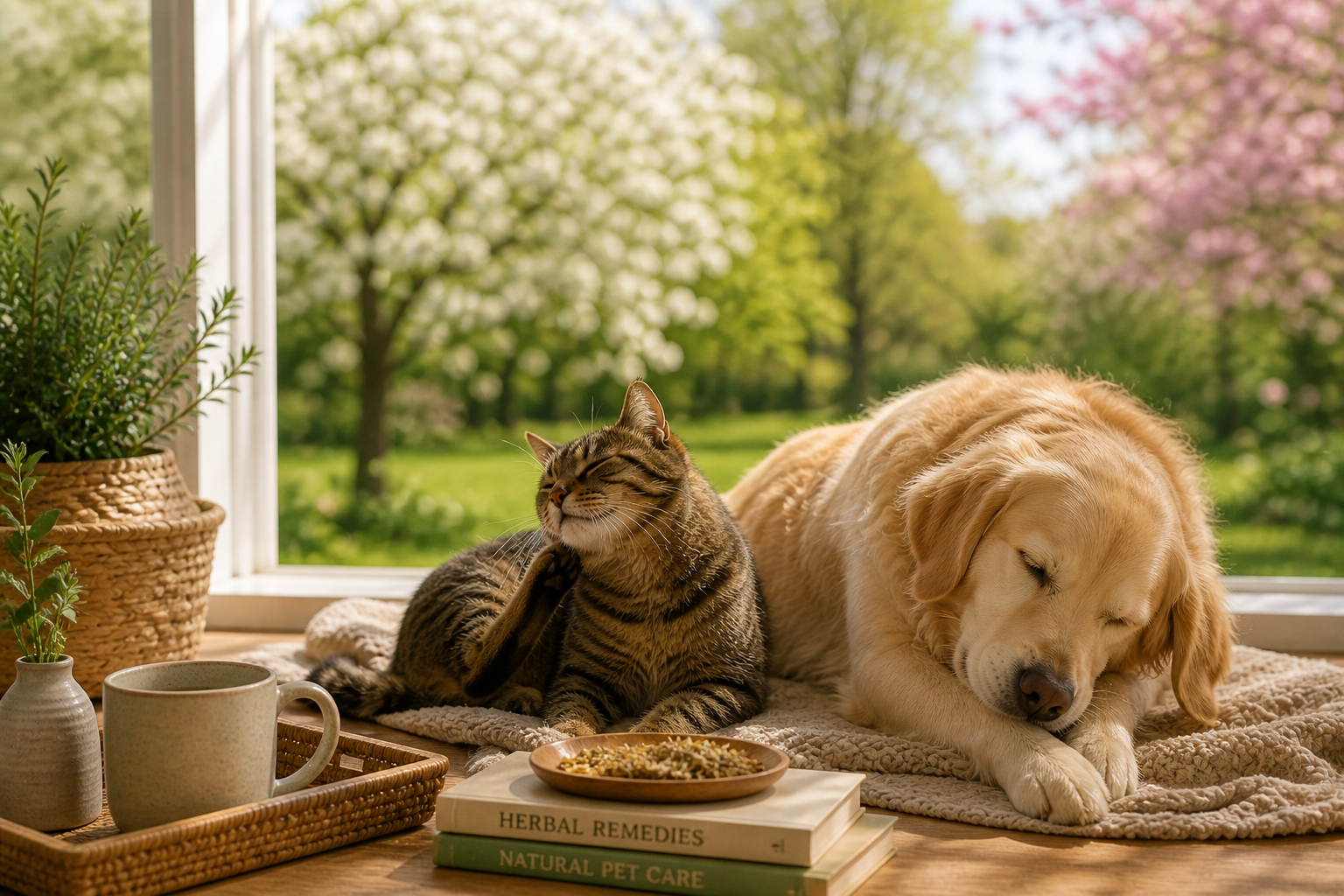
If your dog suddenly starts chewing at their feet after walks in the park, or your cat seems to be grooming themselves almost non-stop, these can be clues that environmental allergens are at play. While occasional scratching is normal, persistent or intense discomfort should not be ignored. For many Readington area pets, allergy symptoms begin as soon as the trees and grasses release pollen, reaching a peak in late spring and early summer. Recognizing these early warning signs allows you to act before more serious skin or respiratory issues develop.
What Causes Spring Allergies in Readington Pets?
Spring allergies in pets are most commonly triggered by environmental allergens like pollen from trees, grasses, and weeds. In Readington Township and the surrounding region, the local climate and abundant plant life mean that pollen counts tend to rise sharply during the spring months. When pets spend time outdoors, they can pick up pollen on their fur and skin, which may lead to an overactive immune response. This hypersensitivity is called atopy, and it is similar to hay fever in humans. In addition to pollen, mold spores, dust mites, and certain types of outdoor fungi can also contribute to allergy symptoms.
Some pets are more prone to allergies due to their breed or genetic background. For example, breeds like retrievers, terriers, and bulldogs are particularly susceptible to developing atopic dermatitis. It is not just dogs who suffer; cats can also show symptoms of seasonal allergies, though they may manifest as excessive grooming or respiratory issues rather than obvious scratching. The unique microclimate in Readington means that allergy season can start earlier or last longer than in other parts of the country, making it especially important for local pet owners to be vigilant about monitoring symptoms.
How Our Veterinary Team Diagnoses and Treats Pet Allergies
If you suspect your pet is suffering from spring allergies, scheduling an appointment at Readington Animal Hospital is the first step toward relief. During your visit, our veterinarians will perform a thorough physical examination to check for signs of allergic skin disease or respiratory distress. We may recommend comprehensive physical exams to fully evaluate your pet’s overall health and rule out other causes of itching or discomfort. In some cases, our veterinary professionals may suggest allergy testing to identify specific triggers, especially if your pet’s symptoms are persistent or severe.
Treatment for spring allergies in pets typically involves a combination of approaches tailored to your pet’s needs. Options include medicated shampoos or topical treatments to soothe irritated skin, antihistamines or other prescription medications to control itching, and special diets designed to support skin health. For pets with chronic or severe allergies, immunotherapy (allergy shots or oral drops) may be recommended to help desensitize their immune system over time. Our hospital’s in-house laboratory diagnostics and advanced skin care services ensure quick and accurate diagnosis, which means your pet can start on the path to relief right away.
We also offer dermatology services for pets struggling with ongoing allergy issues. Our veterinary team will work with you to develop a customized treatment plan, addressing both immediate symptoms and long-term management strategies. For pets with more complex needs, we may incorporate integrative services such as acupuncture or holistic therapies, blending traditional and alternative approaches to maximize comfort and quality of life.
At-Home Strategies to Help Your Pet During Allergy Season
While professional veterinary care is essential for pets with moderate to severe allergies, there are several practical steps you can take at home to minimize your pet’s exposure to allergens and ease their discomfort. Regular grooming and bathing help remove pollen and other irritants from your pet’s coat; consider wiping your dog’s paws with a damp cloth after outdoor walks to prevent tracking allergens inside the house. Keeping windows closed during high pollen days and using air purifiers can also reduce the amount of airborne particles in your home environment.
Vacuuming carpets and washing pet bedding frequently are simple yet effective ways to limit dust and pollen accumulation. For cats that spend time on window sills or in screened porches, monitor their skin and behavior closely for any changes. You might notice that supplementing your pet’s diet with skin-supporting nutrients like omega-3 fatty acids can help improve overall skin barrier function and resilience. However, always consult your veterinarian before introducing new supplements or making significant dietary changes.
If your pet appears to be particularly sensitive during spring, try to schedule outdoor activities during times when pollen counts are lower, such as early morning or after rainfall. Remember that even indoor pets can be affected, as allergens easily travel on clothing, shoes, and through open windows. Consistent home care, combined with regular veterinary check-ups, provides the best defense against seasonal allergy flare-ups.
When to Schedule a Veterinary Visit for Allergies
Although some mild allergy symptoms can be managed at home, there are certain situations when a visit to your veterinarian is essential. If your pet develops raw, inflamed, or bleeding skin, persistent ear infections, or shows signs of respiratory distress like coughing or wheezing, prompt professional care is necessary. Additionally, if your pet’s itching is so severe that it disrupts sleep or daily activities, or if you notice sudden changes in appetite or energy, do not delay seeking help.
At Readington Animal Hospital, we recommend scheduling a veterinary appointment if symptoms are ongoing for more than a week, if they worsen despite home care, or if you are unsure whether allergies are the cause of your pet’s discomfort. Our veterinary team can perform diagnostic tests, recommend the most effective treatments, and provide guidance specific to your pet’s needs. Early intervention not only offers relief but also helps prevent complications such as secondary skin infections or chronic dermatitis.
For pet owners searching for a "vet near me" in Readington Township, our team is committed to providing timely, compassionate care during allergy season and all year round. Rest assured that your pet will be treated with expertise and genuine concern at every stage of their wellness journey.
Helping Your Pet Thrive This Spring in Readington
As spring unfolds in Readington Township, keeping your pet comfortable and healthy is our top priority at Readington Animal Hospital. By recognizing the signs of seasonal allergies, understanding the underlying causes, and taking proactive steps at home, you can make a meaningful difference in your pet’s quality of life. Remember that our veterinarians are here to support you with a full range of services, from comprehensive physical exams to allergy testing and dermatology care. If your pet is struggling with itchy skin or other allergy symptoms this season, do not hesitate to schedule an appointment so we can help them feel their best.
To book a consultation or learn more about how we can assist your pet this allergy season, call us at (908) 534-4058 or visit our hospital at 137 Readington Rd, Readington Township, NJ 08870. Our veterinary professionals are dedicated to providing the highest standard of care in Readington and the surrounding communities. When you need a trusted "veterinarian near me" for seasonal allergy concerns or general wellness, we are here for you and your pet every step of the way.
Medical Disclaimer: This blog is intended for informational purposes only and is not a substitute for professional veterinary advice, diagnosis, or treatment. If you have concerns about your pet’s health, please consult your veterinarian directly.